Executive strategy off-site

Away from the desks. Into the work.

Two days at altitude, where the track gets cut. Private facilitation for the leadership group that owns the problem, built so the work actually moves rather than getting scheduled for later.

Start a conversation
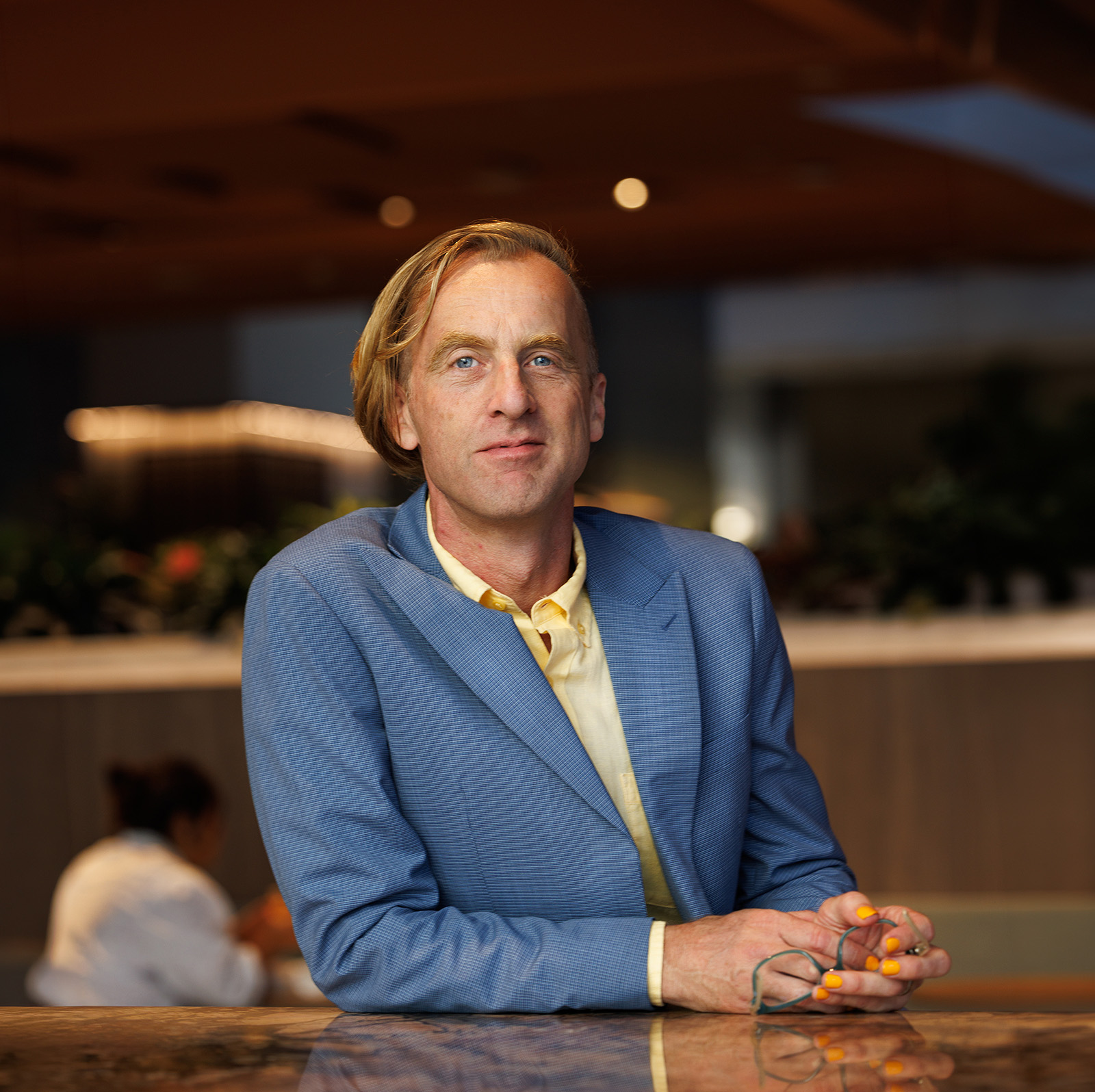
Dr Brad Hodge facilitating

Why an off-site is different

The work that matters never moves.

Your leadership group has a piece of work that matters, and it never moves. Not because anyone is lazy or unclear. Because the only time the group is ever in a room together, there are ninety minutes on the agenda, four other items, and someone has to leave at eleven.

So it gets deferred to a working group. Or a plan gets written by one person and circulated for comment. And everybody agrees with it, and nothing happens.

Learning on the job not only develops better skills, you walk away knowing that you have achieved something at the same time.

Most organisations split three things across three rooms, months apart: deciding the plan, building the skill to run it, and doing the work. Change leaks at every handover. The plan lands on people who were never taught to run it. The training arrives with no live work to use it on. And the work itself gets done in the gaps, by whoever is left.

An off-site collapses all three into one uninterrupted block. The training is embedded in the work rather than sold beside it, because a group cannot move the work without the skill, and will not keep the skill without the work.

This is the difference between an off-site and a workshop. A workshop builds capability, using your real work as the material. An off-site moves the work, and builds the capability on the way through.
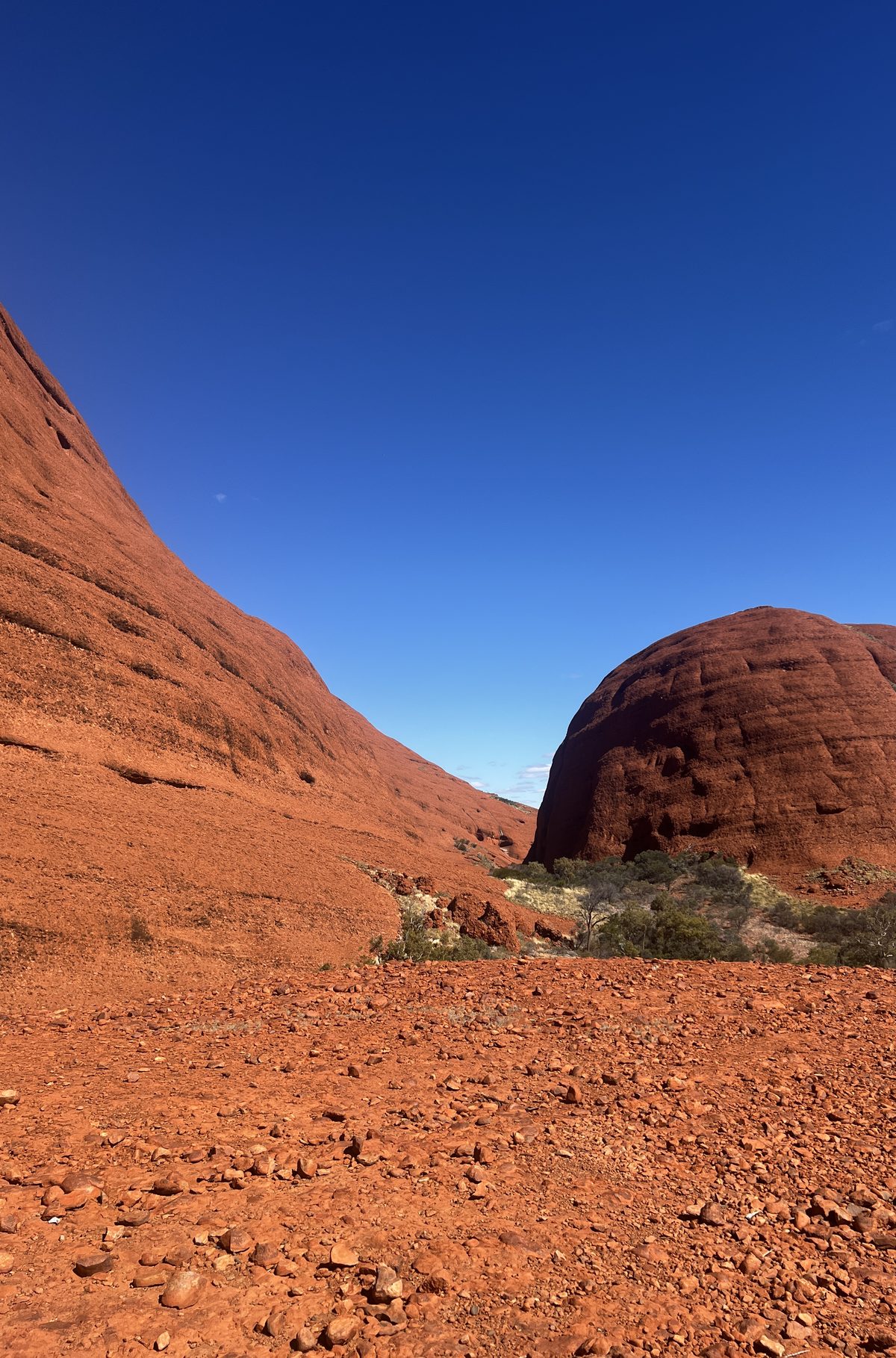
Red rock rising against open sky

Who is in the room, and is this the right thing

Worth doing, or worth skipping.

The leadership group that owns the problem, whichever layer that sits at. Sometimes that is the executive. Often it is the layer below: the leaders who have to carry the plan, and who have never once been in a room together with enough time and enough quiet to sort it out properly.

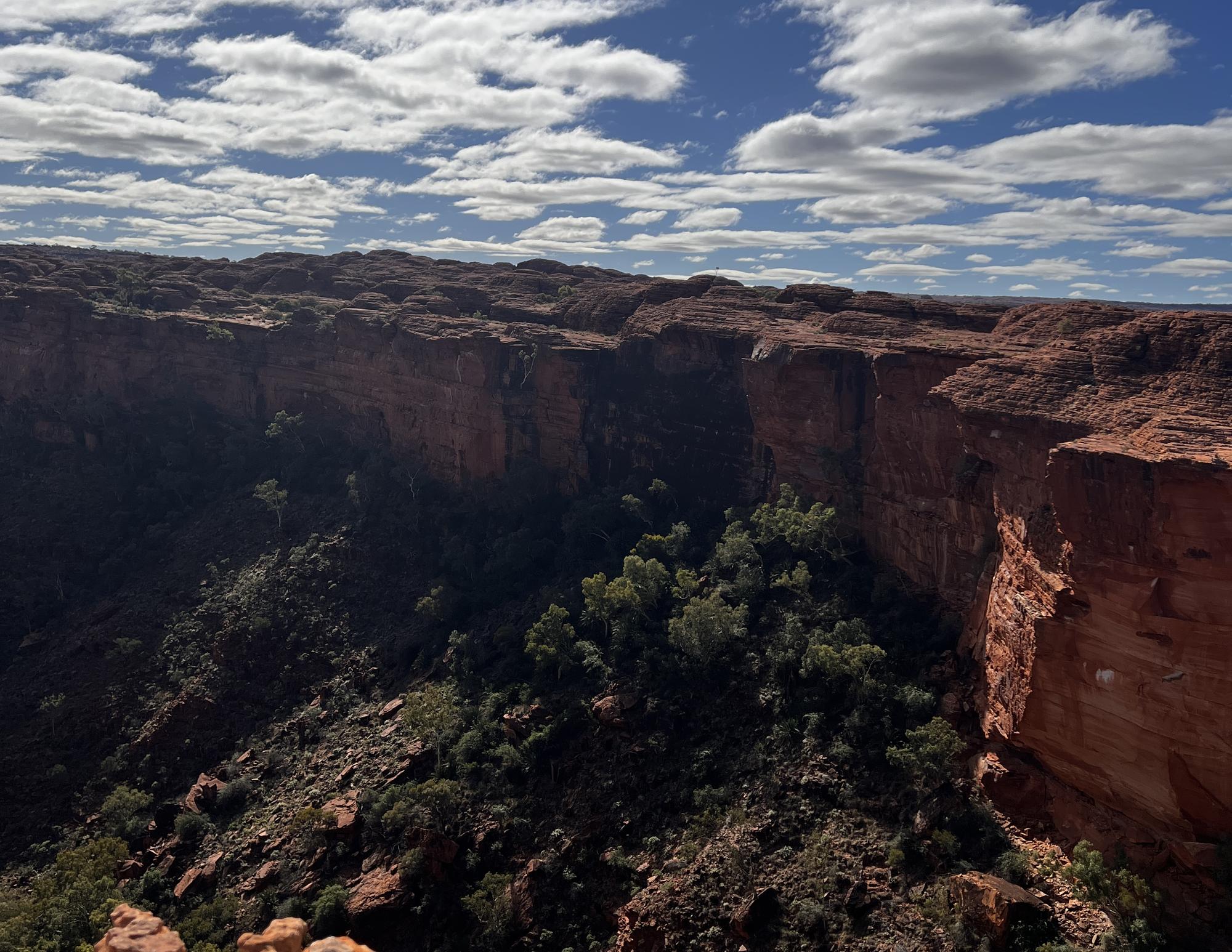
A canyon rim opening below a wide sky

What the group leaves with

Four things, not a set of notes.

  • Real movement on the actual work, made in the room, rather than a list of things to schedule
  • An implementation plan specific enough to hand to someone, with owners and dates
  • The skills to run it, taught at the point of need on their own material, which is why they stay
  • The working relationships to carry it, because the group has now done hard work together

What we work on

Whatever the group genuinely owns.

Whatever the group genuinely owns and has never had the time or the neutral facilitation to settle:

  • The strategy they have to commit to, and actually committing to it
  • The thing everyone knows is broken and nobody has said out loud
  • How this group will work together over the next twelve months
  • A restructure or a new operating rhythm, designed rather than announced
  • The response to a survey result everybody has read and nobody has acted on

How it runs

I create the kind of space where your people feel safe to question ways of working, and redesign them to achieve organisational objectives.

Private facilitation, away from your site, across two days, or one where that is what the calendar allows. We always start from a clear account of the challenge, whether that comes from your own reporting or from a short piece of work beforehand. I hold the room and the process. The decisions and the content stay yours.

What you provide

You provide the room and the people. I bring the program.

You will get a short list of what the space needs and who has to be there, and one person on your side owns the arrangements. Everything else is mine.

How we put it together

Built from the same proven pieces, every time.

No two of these are the same shape, and they are all built from the same proven pieces. I will look at what you are facing and propose a shape, you adjust it for what will work in your organisation, and we both go in knowing what each choice buys and what it leaves on the table.

One thing never comes out: we always start from a clear account of the challenge. Sometimes that is your own reporting and a good conversation. Sometimes it needs a short piece of work first. If it is neither, then we are working from judgement, and I will tell you plainly what that puts at risk.

Dr Brad Hodge working at a laptop

The Expedition

The full guided season; all four, in order.

An off-site can be the whole engagement. It is also the hinge of a longer one, because it is where the route gets cut, and everything below it is either following that route or guessing at it.

  1. The talk prepares the ground, so the group arrives already thinking differently rather than starting cold.
  2. The off-site is where the leadership group settles the work and cuts the track. You are here
  3. Workshops take that route down a layer, so the people who have to run it can.
  4. Coaching tests each leader's own change on real ground, so the plan survives contact with a bad month.

Each stage makes the next one stick. Most organisations take some of it rather than all of it, which is the design working rather than a compromise.

Where to start

Start a conversation.

The first conversation is for all of us to work out one thing: whether this is a genuine fit, where our strengths complement each other, and whether the work is likely to be worth doing for your team. No pitch. If it fits, we will both feel it.

Thanks — Brad will be in touch.

He'll follow up personally, usually within a day.

Only Human

Would you like to understand the impact of your approach to leadership?

The diagnostic is the fastest way to find out. It is free, it takes about ten minutes, and it shows you the conditions you are creating for the people around you. Take the diagnostic →

Or leave your details for a short piece of thinking, every so often, written for leaders who are curious about the humans they lead, including themselves.

No spam. No sharing. Unsubscribe any time.